
Surfaces That Hold Up to Daily Traffic
Flooring and Finish Work in San Jose for worn surfaces and incomplete interior details
Scratched hardwood, cracked tile, and baseboards with visible gaps diminish appearance and allow moisture or debris to damage subfloors underneath. Installing high-quality flooring materials with precision finish work creates durable surfaces that maintain appearance despite foot traffic, furniture movement, and routine cleaning. Neighborhood Construction completes flooring installations and detailed finish work including trim, molding, and interior accents across San Jose, recommending materials that match each home's design requirements and usage intensity.
Flooring installation begins with subfloor preparation that addresses uneven surfaces, moisture issues, or structural movement that would telegraph through new materials. The contractor installs hardwood, engineered flooring, luxury vinyl, or tile based on room function and expected wear, using fastening methods and adhesives appropriate for each material type and subfloor condition.
Request a free consultation to review flooring options and finish details suited to your home's layout.
What Proper Flooring Installation Requires
Successful flooring projects require subfloor moisture testing, especially for concrete slabs common in San Jose construction, to prevent adhesive failure or material warping after installation. Hardwood and engineered products need acclimation time in the installation environment to stabilize moisture content before fastening, while tile installations demand flat substrates within industry tolerance to prevent lippage between adjacent tiles. Finish work including baseboard, crown molding, and door casing requires accurate miter cuts and coped joints that fit tightly without gaps.
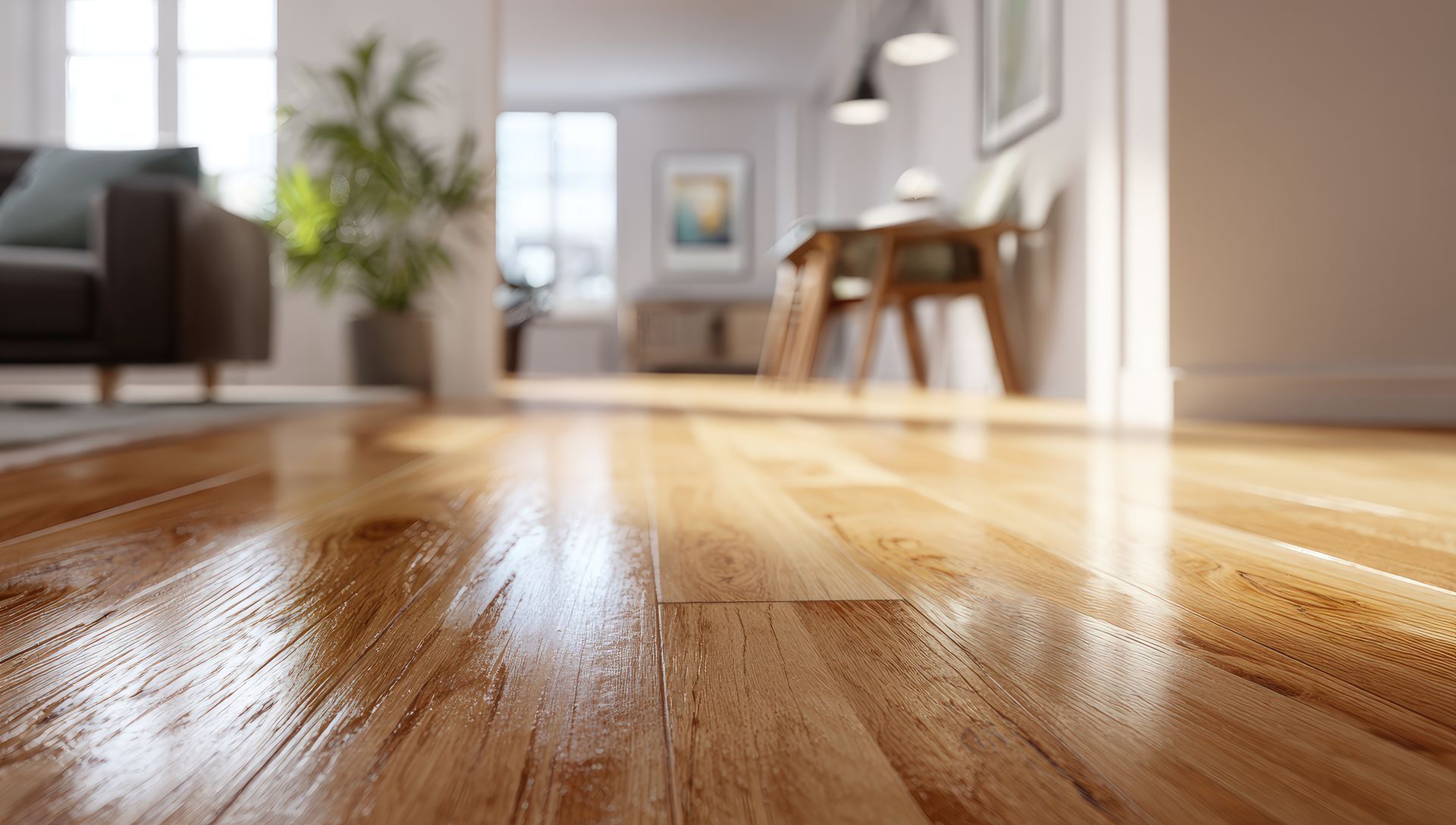
Once installation completes, you notice flooring that lies flat without squeaks or movement underfoot, transitions between rooms that align without height differences, and trim that follows wall contours tightly even where framing isn't perfectly straight. Baseboard installation covers flooring edges cleanly while leaving expansion gaps hidden beneath, and door casings align vertically without tilting. Painted finish work shows smooth coverage without visible brush marks or sanding scratches, and stained wood trim displays even color without blotching.
Material recommendations account for moisture exposure in kitchens and bathrooms, scratch resistance needed in high-traffic areas, and aesthetic compatibility with existing cabinetry and wall colors. Transparent pricing clarifies costs for materials and installation labor, and clear project timelines outline when spaces will be unavailable during construction.
Questions Before Starting Your Project
Flooring selection and finish work quality affect both immediate appearance and long-term maintenance requirements for interior spaces.
What flooring materials work best for high-traffic areas?
Engineered hardwood, luxury vinyl plank, and porcelain tile resist scratching and wear better than solid hardwood or laminate in entryways, hallways, and kitchens. Material hardness ratings and wear layer thickness determine durability under repeated impact and abrasion.
How long does flooring need to acclimate before installation?
Hardwood and engineered flooring typically require 48 to 72 hours in the installation environment to stabilize moisture content and prevent expansion or contraction after installation. Acclimation time varies by product type and local humidity levels common in San Jose's climate.
Why do some baseboard joints open up after installation?
Gaps appear when trim isn't fastened securely to wall studs, when wood moisture content changes after installation, or when miter cuts don't account for out-of-square wall corners. Quality installation includes finding studs for solid fastening and coping inside corners to maintain tight joints despite wall irregularities.
What causes tile to crack after installation?
Tile cracks result from subfloor deflection exceeding the tile's breaking strength, impact from dropped objects, or improper thinset coverage that leaves voids beneath tiles. Adequate subfloor stiffness and complete thinset coverage prevent most installation-related cracking.
When should I replace flooring versus refinish existing surfaces?
Refinishing works for solid hardwood with enough thickness remaining above the tongue-and-groove joint to withstand sanding, typically allowing three to five refinishing cycles over the floor's lifetime. Replace flooring when wear penetrates through finish into wood, when water damage warps boards, or when engineered products with thin wear layers show through to substrate.
Neighborhood Construction delivers flooring and finish work with precision installation and long-lasting craftsmanship backed by transparent pricing. Contact the office to schedule a free consultation and discuss flooring upgrades for your home.